This article examines how the 2026 Gulf crisis has translated into concrete economic, fiscal and political pressures across some of Africa’s most consequential economies. Triggered by the closure of the Strait of Hormuz following the February 2026 escalation between the US, Israel and Iran, the crisis rapidly disrupted global energy, fertiliser and shipping markets. Oil prices surged from around USD 70 per barrel to peaks above USD 120, LNG and fertiliser exports from the Gulf were curtailed, and Red Sea-Suez shipping routes were effectively closed, forcing cargoes onto longer and more expensive Cape routes. While a ceasefire was reached in April, damage to core Gulf energy infrastructure and persistently elevated war risk insurance premiums mean disruption is ongoing rather than transitory.
Rather than focusing on legal doctrines or contractual allocation of risk, the article adopts a country-by-country lens to show how the shock is experienced on the ground in economies that were, until recently, regarded as growth leaders. Kenya, Ethiopia, Nigeria, Tanzania and Zambia are not fragile or peripheral states. They are regional anchors. The article’s core argument is that if the Gulf shock strains these economies, those with weaker buffers will face even sharper adjustment.
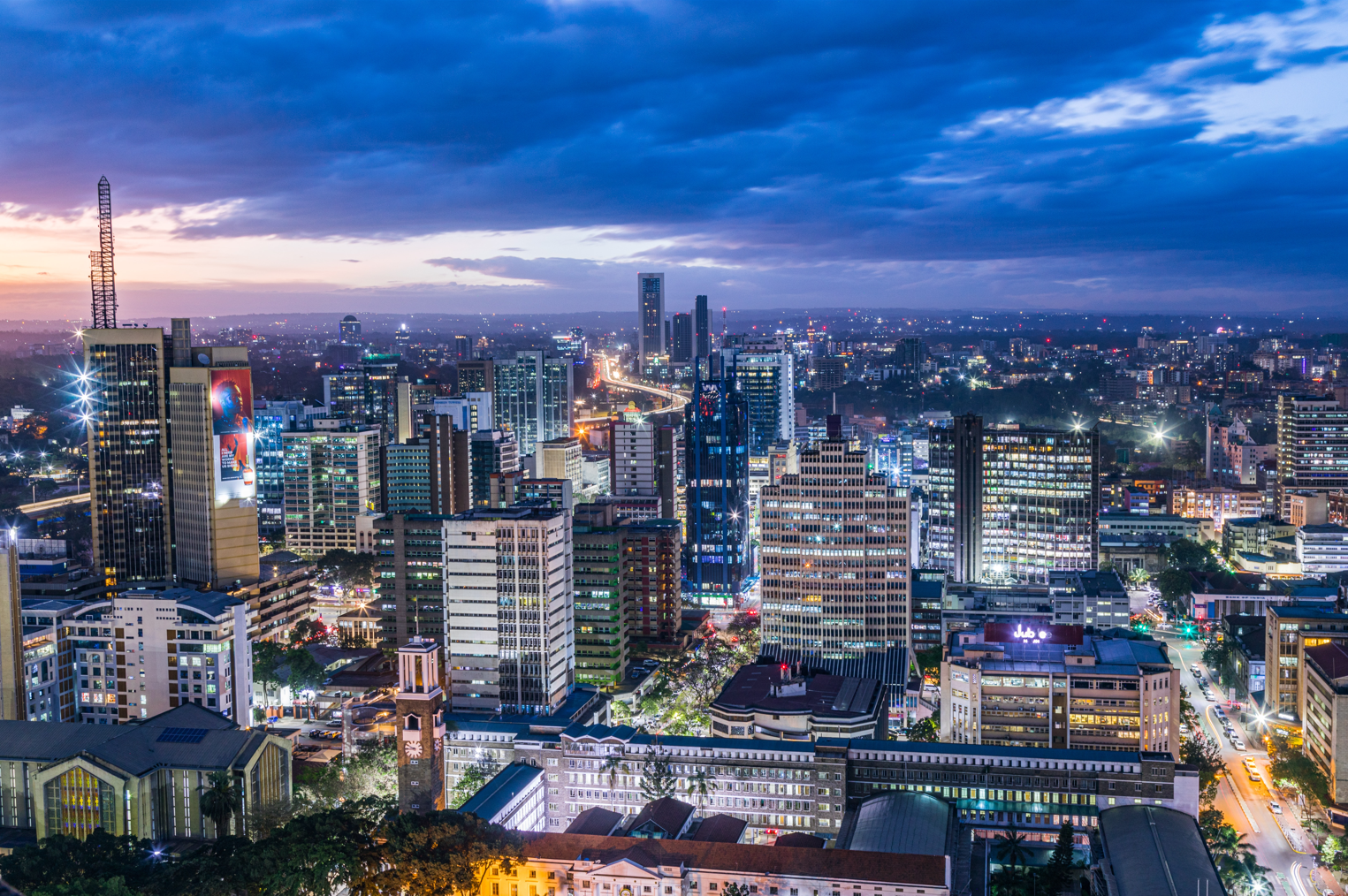
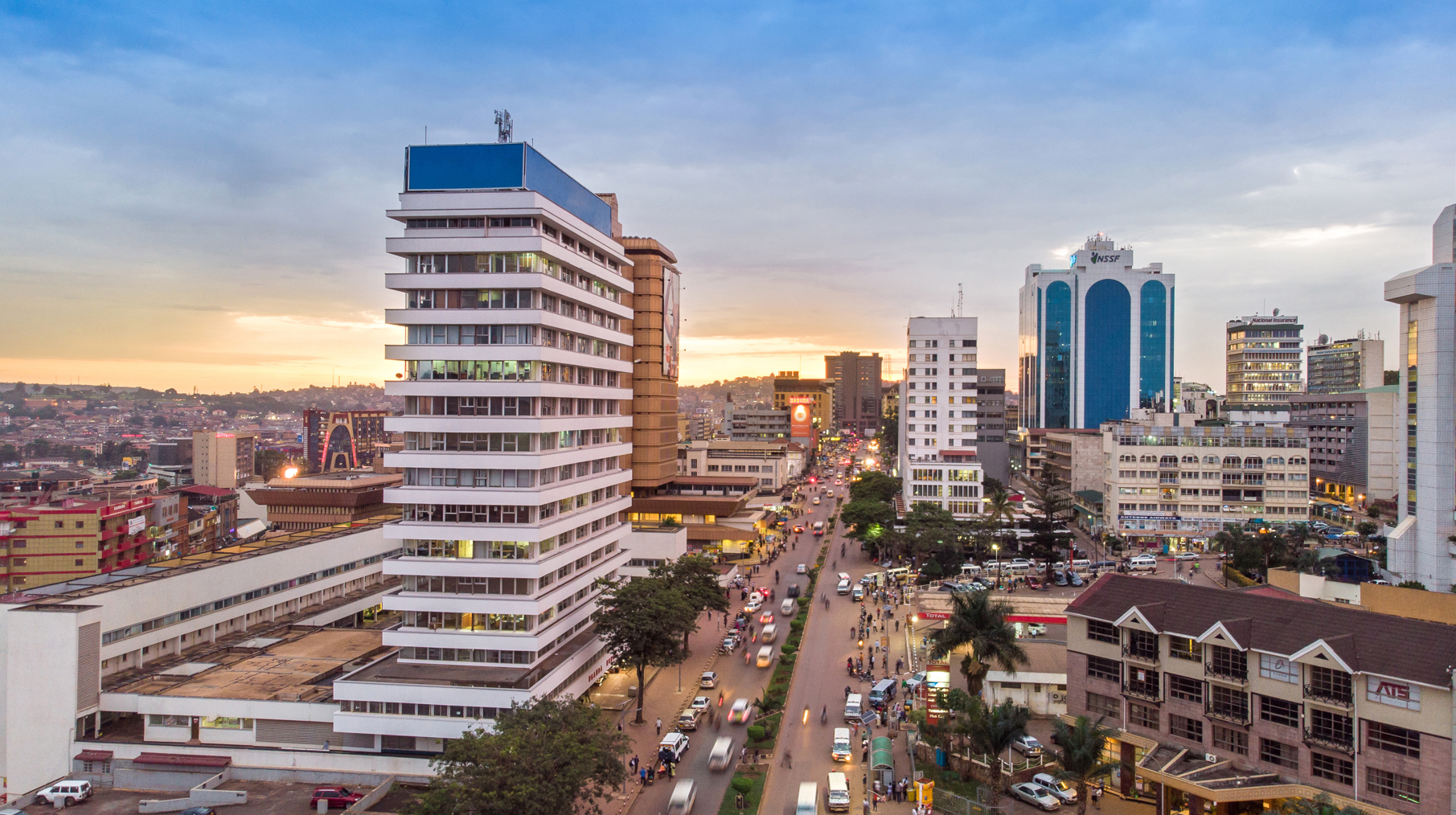
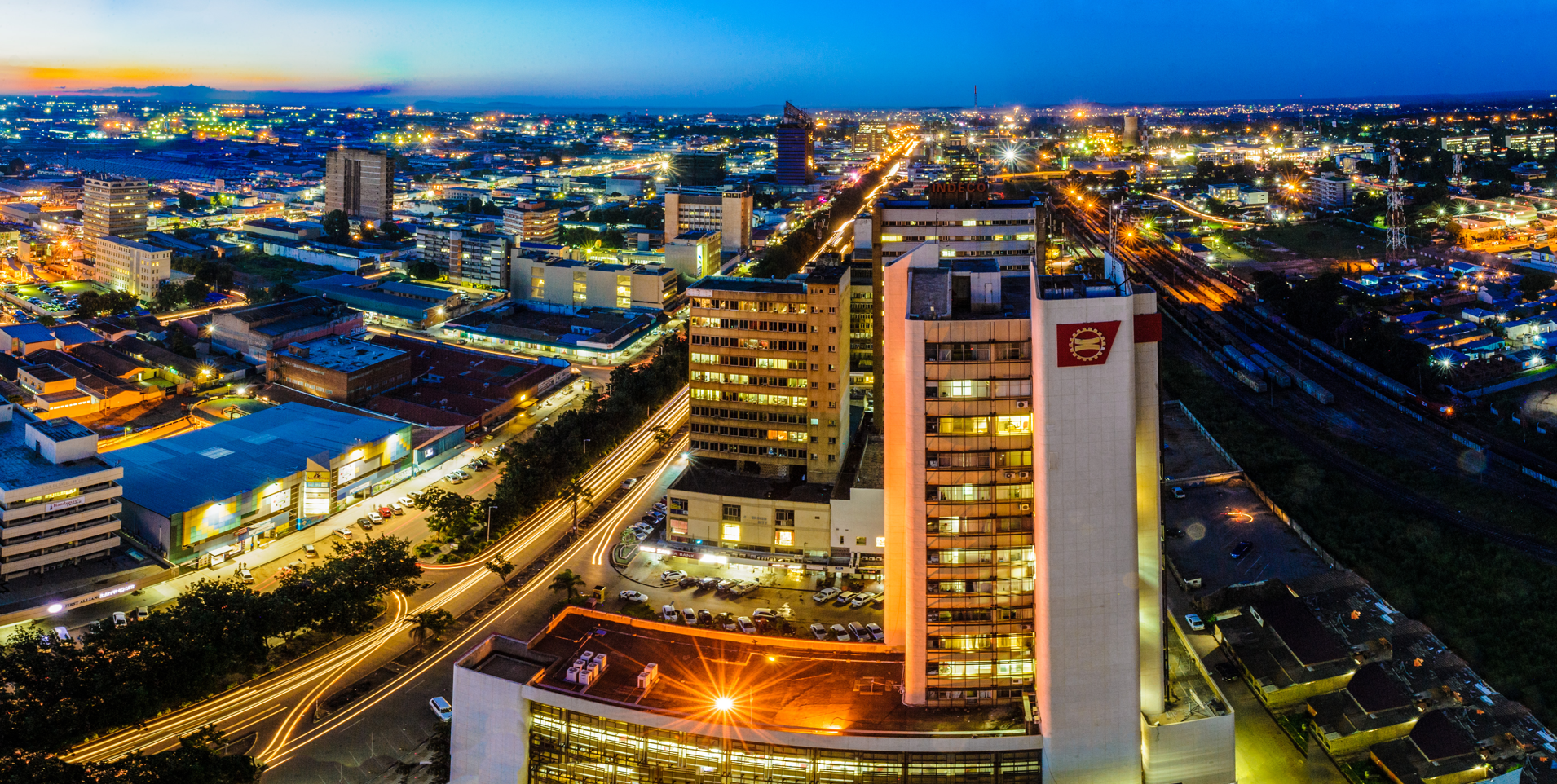
Across all five cases, the crisis operates through a combination of direct import disruption and compounding domestic constraints. Kenya and Tanzania face immediate petroleum, fertiliser and shipping cost shocks as coastal import hubs serving large hinterlands, with price increases transmitting quickly into food inflation and political pressure. Ethiopia’s landlocked geography transforms the crisis from a price shock into a near existential supply risk, colliding with a fragile IMF-backed reform programme and critically low foreign exchange reserves. Zambia’s dependence on diesel-intensive copper mining and fertiliser-dependent agriculture means higher oil prices threaten both export earnings and food security, undermining the hard-won gains of debt restructuring. Nigeria stands apart structurally as an oil producer, capturing fiscal windfalls from higher crude prices, yet remains exposed through inflation pass-through, shipping costs and political sensitivity around fuel prices. These dynamics are now reframed by the strategic importance of the Dangote Refinery as a regional supply hedge.
A central theme of the article is political economy. The transmission from disrupted supply chains to household hardship is fast. Fuel prices rise within days, food prices within weeks, and currency pressure amplifies both. Urban households, already strained by unemployment and prior inflation, absorb the shock immediately, while rural households face fertiliser shortages that undermine future harvests. The article situates current risks within a broader African pattern in which fuel and food price spikes reliably catalyse protest, instability and programme slippage, as seen in Kenya’s 2024 protests and Nigeria’s post-subsidy unrest.
The article concludes that the crisis did not create Africa’s vulnerabilities; it exposed and accelerated them. Short-term priorities are pragmatic and legal-commercial in nature: understanding force majeure positions, diversifying suppliers where possible, and preparing logistics and trade finance for alternative routes. Beyond triage, the crisis makes certain structural reforms unavoidable, including strategic fuel reserves, regional fertiliser stockpiles, domestic refining capacity and intra-African supply corridors. What has changed is not the menu of solutions, but the political urgency to implement them.
Article 3 will build on this by focusing specifically on fertiliser and food security as the most acute medium-term risk.
--
Read the full publication at ALN